
Pistachio Pesto
Fructans · GOS
Estimated from the ingredient list only. Portion sizes aren't considered, so check the Monash University FODMAP app or your dietitian before relying on this.
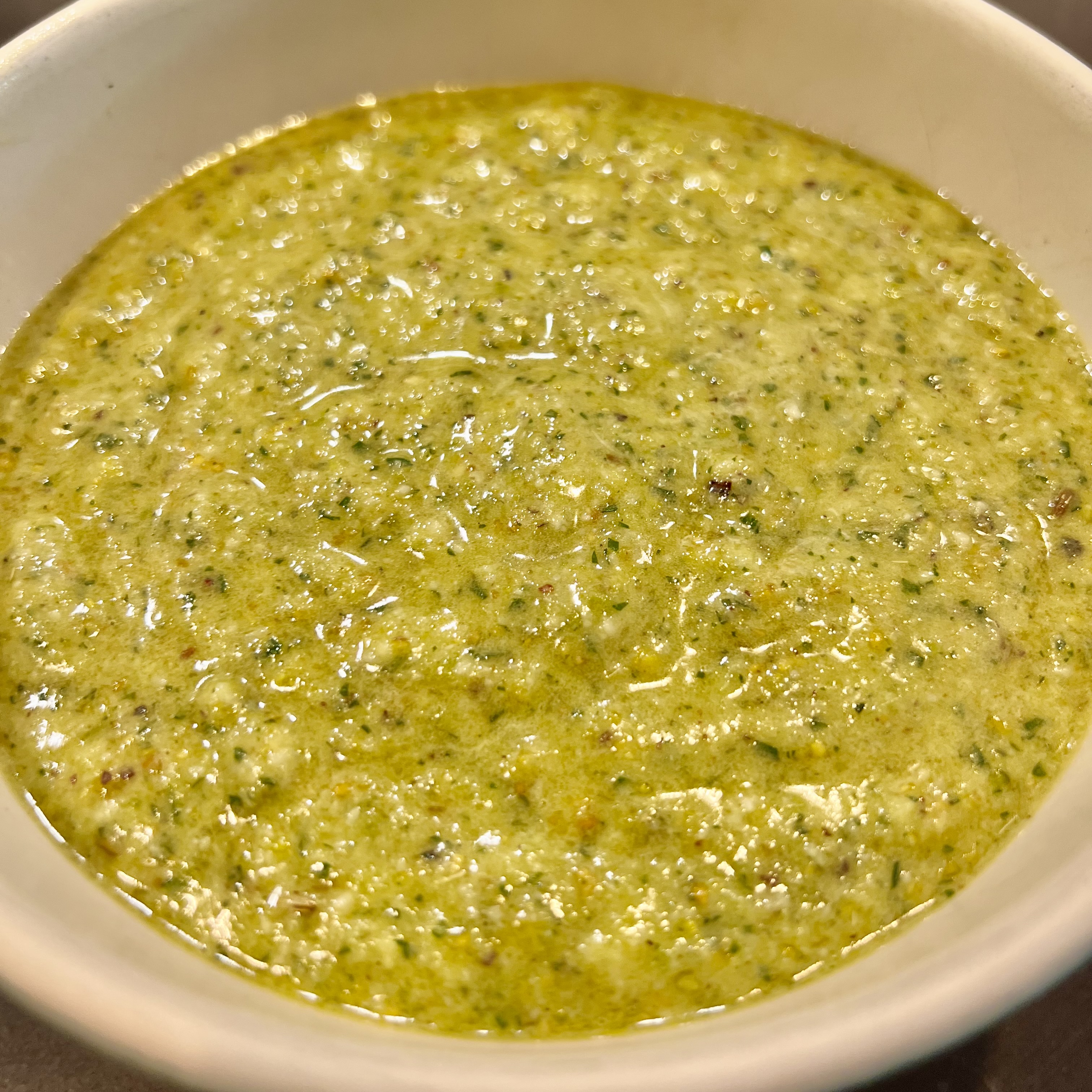
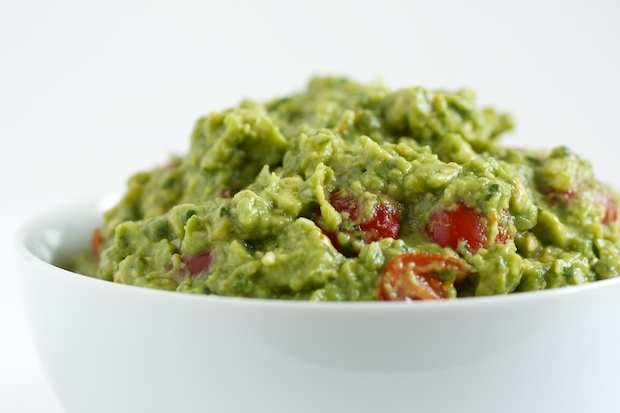
We found this pesto recipe accompanying a potato salad courtesy of The Food Network from Geoffrey Zakarian. But the pesto is so tasty, I am posting it here as a stand-alone recipe…
Directions
- 1
Fill a small pot halfway with water and bring to a simmer. Fill a small bowl with ice water and set aside.
- 2
Blanch the parsley and mint in the water for 2 to 3 seconds. Immediately, transfer the herbs to the bowl of ice water to stop the cooking. After the herbs have cooled, set them on paper towels to dry as much as possible.
- 3
In the bowl of a food processor, combine the pistachios, cheese and fennel seeds and pulse until finely ground. Add the garlic, 3/4 teaspoon salt and 1/2 teaspoon cracked black pepper. Process until the mixture is roughly combined, about 15 seconds.
- 4
Add the olives, parsley, mint, lemon zest and olive oil. Process the mixture until it is almost smooth, stopping to scrape down the sides of the bowl as needed. Season to taste with salt and pepper.
- 5
Serve over potato salad, grilled fish, or pasta.
Diets
Fits as written
- Vegetarian
- Pescatarian
- Gluten-free
- Egg-free
- Halal-friendly
- Mediterranean
- Low-carb
- Keto
- Atkins
- Low-sodium
Works with easy swaps
Vegan (1)
- Pecorino-Romano → nutritional yeast
Dairy-free (1)
- Pecorino-Romano → nutritional yeast
Nut-free (1)
- salted roasted pistachios → sunflower or pumpkin seeds
Low FODMAP (2)
- salted roasted pistachios → walnuts or macadamia nuts
- garlic → garlic-infused olive oil
Some other ingredients are only low FODMAP in small portions.
How we decide
- Vegetarian:
- No meat, poultry, fish, shellfish or gelatin (including stock made from them).
- Vegan:
- Vegetarian, plus no dairy, eggs or honey.
- Pescatarian:
- No meat, poultry or gelatin; fish and shellfish are fine.
- Gluten-free:
- No wheat flour, pasta, bread, soy sauce, barley, rye, couscous, beer or oats (unless certified gluten-free).
- Dairy-free:
- No milk, butter, cream, yogurt, cheese or other dairy.
- Egg-free:
- No eggs, egg noodles or mayonnaise.
- Nut-free:
- No peanuts or tree nuts (almonds, walnuts, cashews, pistachios and so on).
- Low FODMAP:
- Rated from the ingredient list; see the Low FODMAP badge on each recipe.
- Halal-friendly:
- No pork products, alcohol or gelatin. This can't confirm halal sourcing.
- Paleo:
- No grains, legumes, dairy, refined sugar or seed oils.
- Mediterranean:
- No red or processed meat and no butter, lard, margarine or cream as cooking fats.
- Low-carb:
- About 20 g net carbs (carbs minus fiber) or less per serving, from the nutrition estimate.
- Keto:
- About 10 g net carbs or less per serving, with at least 55% of calories from fat.
- Atkins:
- About 10 g net carbs or less and 5 g sugar or less per serving.
- High-protein:
- 25 g protein or more per serving.
- Low-sodium:
- About 600 mg sodium or less per serving.
Based on the ingredient list and nutrition estimate only. Hidden ingredients in packaged foods, and cooking methods, aren't visible to us. Check labels, and for medical diets or allergies ask your doctor or dietitian.
Nutrition Facts
Per serving (about 9 servings; serving size estimated)
- Protein
- 4.4 g
- Carbohydrates
- 5.8 g
- Sugars
- 1.2 g
- Fiber
- 2.2 g
- Fat
- 6 g
- Saturated fat
- 1.8 g
- Sodium
- 162 mg
Estimated from USDA ingredient data. Brands, substitutions and cooking methods will change the real numbers.
Have Leftover Olives?

Pairs Well With
Published July 25, 2023