
Cacio e Pepe
Fructans
Estimated from the ingredient list only. Portion sizes aren't considered, so check the Monash University FODMAP app or your dietitian before relying on this.
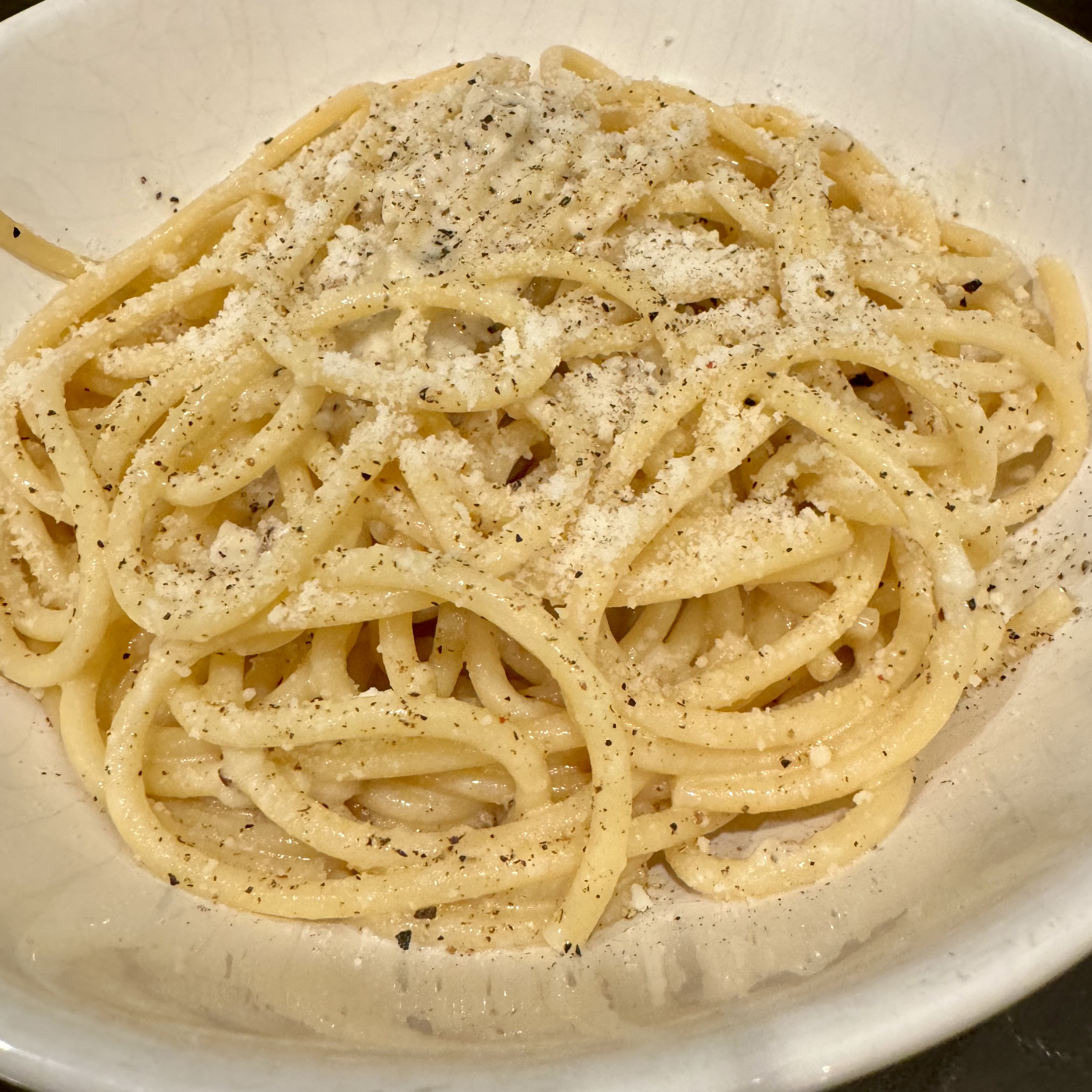
We were inspired by an episode of The Kitchen on The Food Network to try this simple pasta dish. It is a classic Roman dish, appearing on nearly every menu in the city. Why?…
Directions
- 1
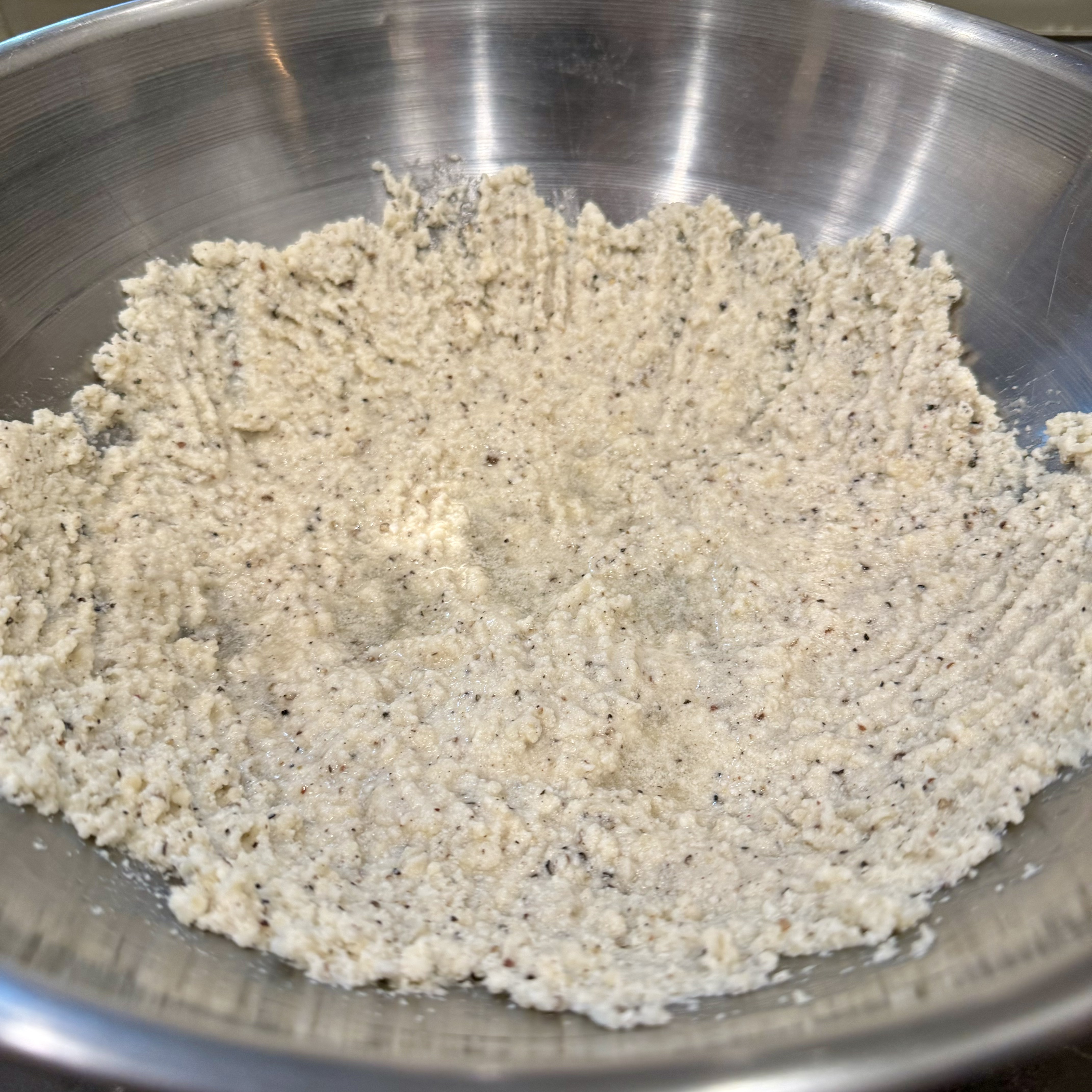
Put a pot of salted water on to boil. In a large bowl, combine the cheese and black pepper; mash with just enough cold water to make a thick paste. Spread the paste evenly in the bowl.
- 2
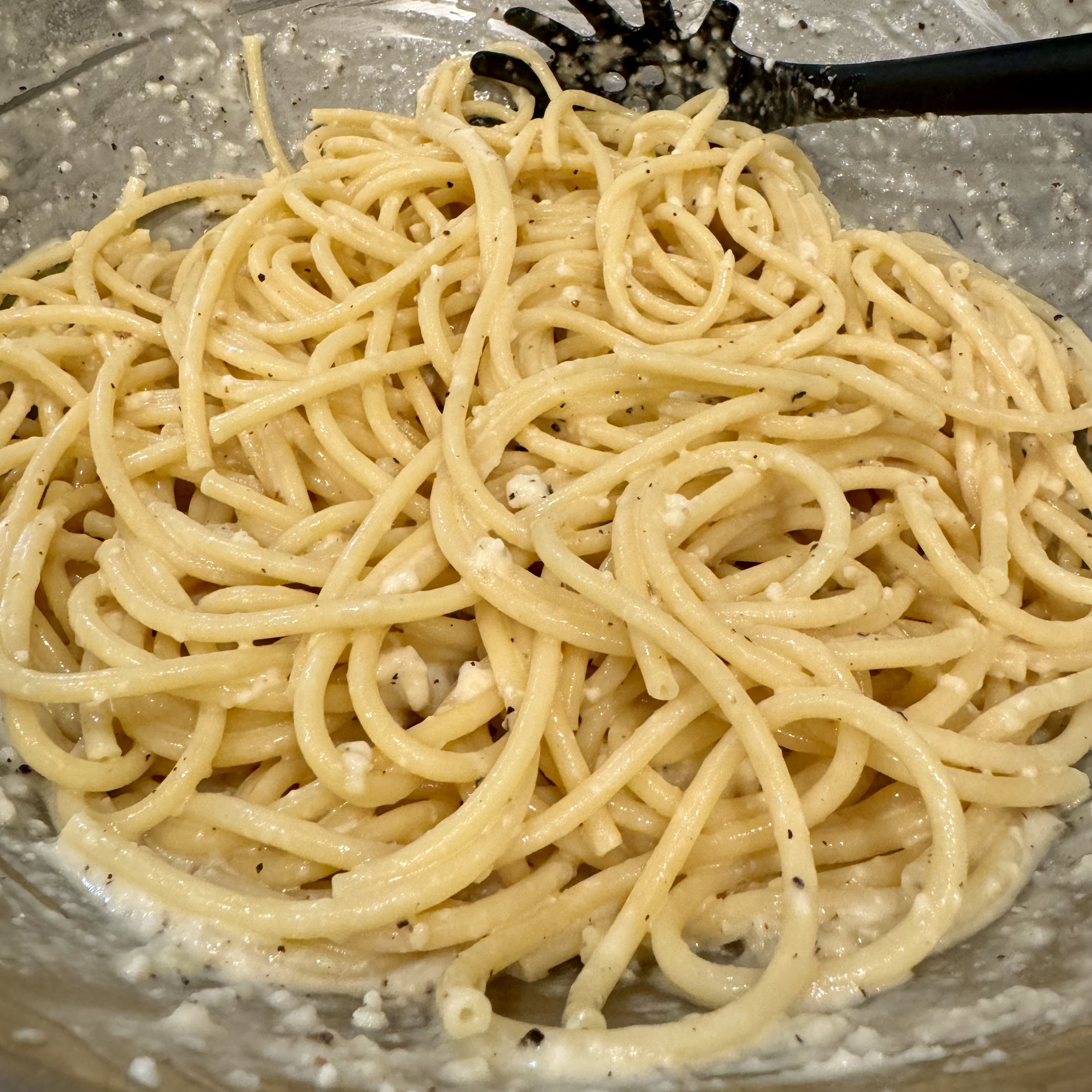
Once the water is boiling, add the pasta. The second before it is perfectly cooked (taste it frequently once it begins to soften), reserve a cup or so of the cooking water, then use tongs to quickly transfer the pasta to the bowl. Stir vigorously to coat the pasta, adding a teaspoon or two of olive oil and a bit of the pasta cooking water to thin the sauce if necessary. The sauce should cling to the pasta and be creamy but not watery.
- 3
Plate and dust each dish with additional pecorino and pepper. Serve immediately.
Diets
Fits as written
- Vegetarian
- Pescatarian
- Egg-free
- Nut-free
- Halal-friendly
- Mediterranean
- High-protein
Works with easy swaps
Vegan (2)
- Finely grated Pecorino Romano → nutritional yeast
- Finely grated Parmigiano-Reggiano → nutritional yeast
Gluten-free (1)
- Tonnarelli or other long pasta like linguine or spaghetti → gluten-free pasta
Dairy-free (2)
- Finely grated Pecorino Romano → nutritional yeast
- Finely grated Parmigiano-Reggiano → nutritional yeast
Low FODMAP (1)
- Tonnarelli or other long pasta like linguine or spaghetti → gluten-free pasta
Some other ingredients are only low FODMAP in small portions.
How we decide
- Vegetarian:
- No meat, poultry, fish, shellfish or gelatin (including stock made from them).
- Vegan:
- Vegetarian, plus no dairy, eggs or honey.
- Pescatarian:
- No meat, poultry or gelatin; fish and shellfish are fine.
- Gluten-free:
- No wheat flour, pasta, bread, soy sauce, barley, rye, couscous, beer or oats (unless certified gluten-free).
- Dairy-free:
- No milk, butter, cream, yogurt, cheese or other dairy.
- Egg-free:
- No eggs, egg noodles or mayonnaise.
- Nut-free:
- No peanuts or tree nuts (almonds, walnuts, cashews, pistachios and so on).
- Low FODMAP:
- Rated from the ingredient list; see the Low FODMAP badge on each recipe.
- Halal-friendly:
- No pork products, alcohol or gelatin. This can't confirm halal sourcing.
- Paleo:
- No grains, legumes, dairy, refined sugar or seed oils.
- Mediterranean:
- No red or processed meat and no butter, lard, margarine or cream as cooking fats.
- Low-carb:
- About 20 g net carbs (carbs minus fiber) or less per serving, from the nutrition estimate.
- Keto:
- About 10 g net carbs or less per serving, with at least 55% of calories from fat.
- Atkins:
- About 10 g net carbs or less and 5 g sugar or less per serving.
- High-protein:
- 25 g protein or more per serving.
- Low-sodium:
- About 600 mg sodium or less per serving.
Based on the ingredient list and nutrition estimate only. Hidden ingredients in packaged foods, and cooking methods, aren't visible to us. Check labels, and for medical diets or allergies ask your doctor or dietitian.
Nutrition Facts
Per serving (4 servings)
- Protein
- 32.1 g
- Carbohydrates
- 66.8 g
- Sugars
- 2.6 g
- Fiber
- 3.2 g
- Fat
- 17.7 g
- Saturated fat
- 10.4 g
- Sodium
- 837 mg
Estimated from USDA ingredient data. Brands, substitutions and cooking methods will change the real numbers.
Pairs Well With

Published March 17, 2024